Many people search online for Morocco Language because they want to understand how Moroccans really speak. Some expect one clear answer, but Morocco does not work that way. The Morocco Language situation is rich and layered, shaped by history, culture, and daily life. There is more than one language, and each one has its own role.
When people talk about Morocco Language, they often mix official languages with spoken languages. This creates confusion. To truly understand the Morocco Language, you must look at how people communicate every day, not only at what is written in books or laws.
In this article, we explain the languages spoken in Morocco in a clear and simple way. We focus mainly on Moroccan Darija, as it is the most spoken language in Morocco and the key to genuine communication.
What Does Morocco Language Mean
The term Morocco Language does not refer to a single language. It refers to all languages used by people in Morocco, depending on context. Some languages are official and written. Others are spoken daily. Some are used for work, while others are used at home.
Morocco has a long history of migration, trade, and cultural exchange. Arabs, Amazigh, Andalusians, Europeans, and Africans all influenced the way people speak. This is why the Morocco Language landscape is diverse and unique.
To understand it clearly, we must separate official language from spoken language.
Spoken Language and Official Language in Morocco
In Morocco, official languages are used in administration, education, and law. Spoken languages are used in daily life, at home, in the street, and in social situations.
Classical Arabic and Amazigh are official languages in Morocco. They appear in the constitution, schools, and government documents. However, most Moroccans do not speak Classical Arabic in daily conversation.
Instead, they speak Moroccan Darija. This is the most important fact for anyone interested in the real Morocco Language.
Moroccan Darija: The Most Spoken Morocco Language
What Is Moroccan Darija
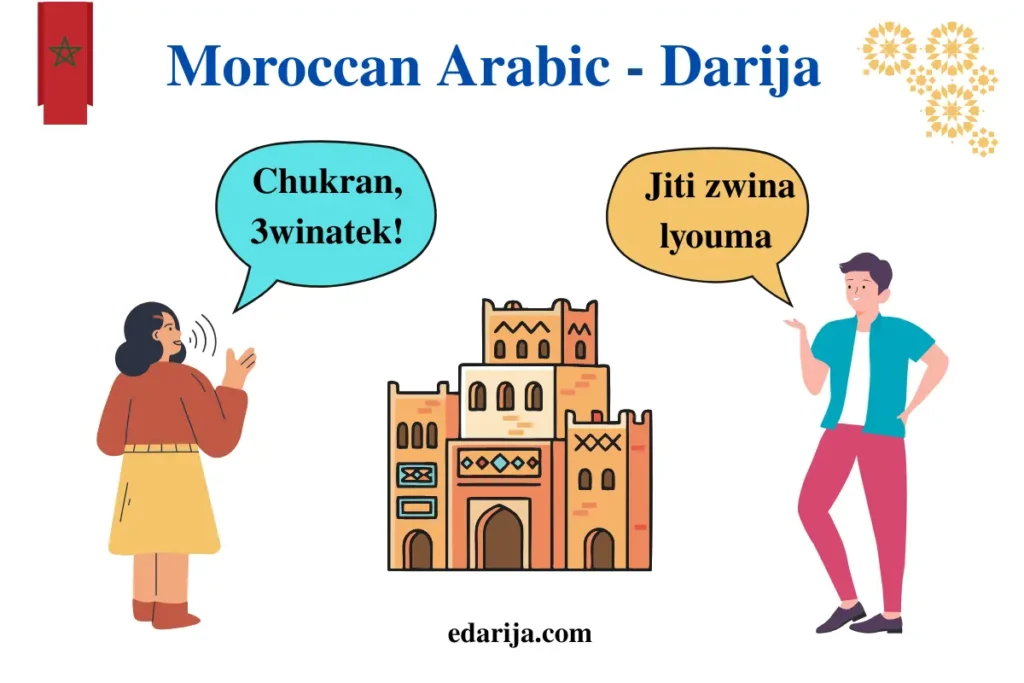
Moroccan Darija is the everyday spoken language in Morocco. It is based mainly on Arabic, but it also includes many words from Amazigh, French, Spanish, and even English. Darija developed naturally over centuries through daily use.
Darija is not usually taught formally in schools. People learn it at home, from family, friends, and society. It is flexible, expressive, and adapted to real life. For daily communication, Darija is the core of the Moroccan Language.
Why Darija Is Used Everywhere in Morocco
Darija is spoken in almost every situation. People use it at home with family, in markets while shopping, in taxis and buses, and in cafés and restaurants. It is also widely used on social media, in videos, and in casual writing.
Darija allows people to express emotions easily. It is used for jokes, arguments, stories, and advice. Because it feels natural and direct, it became the dominant spoken Morocco Language.
If you visit Morocco, Darija is the language you will hear most of the time.
Is Moroccan Darija Arabic
Many people ask whether Darija is Arabic. The answer is yes and no. Darija comes from Arabic, but it is very different from Classical Arabic.
The pronunciation is different, the grammar is simpler, and many words come from other languages. A person who speaks Middle Eastern Arabic may understand some Darija words, but full understanding is often difficult.
Because of these differences, Darija functions almost like its own language. Still, it remains a central part of the Morocco Language family.
Who Speaks Darija in Morocco
Almost everyone in Morocco speaks Darija. It is spoken by young people and older people, by men and women, and by people in cities and villages.
Even Amazigh speakers usually speak Darija as a second language. Darija helps people from different regions communicate with each other. This makes it the unifying spoken Morocco Language across the country.
Easy Moroccan Darija Words
Here are some simple Darija words that are used every day:
Hello: Salam
How are you: Labas
Yes: Ah
No: La
Thank you: Shukran
Please: Afak
Goodbye: Bslama
These examples show how practical and friendly Darija is.
Classical Arabic in the Morocco Language System
What Is Classical Arabic
Classical Arabic, also known as Modern Standard Arabic, is a formal language. It is used in writing, education, media, and official speech. It is the language of newspapers, books, and religious texts.
Where Classical Arabic Is Used in Morocco
In Morocco, Classical Arabic is taught in schools from an early age. It is used in exams, textbooks, and official announcements. Government documents and laws are also written in Classical Arabic.
However, it is rarely used in casual conversation. Most people switch to Darija when speaking.
Why Classical Arabic Is Not Spoken Daily
Classical Arabic has strict grammar rules and formal structures. It requires careful pronunciation and preparation. Darija, on the other hand, is easier and faster.
Because daily life requires quick and natural communication, Darija replaced Classical Arabic as the spoken Morocco Language.
Amazigh Languages in Morocco
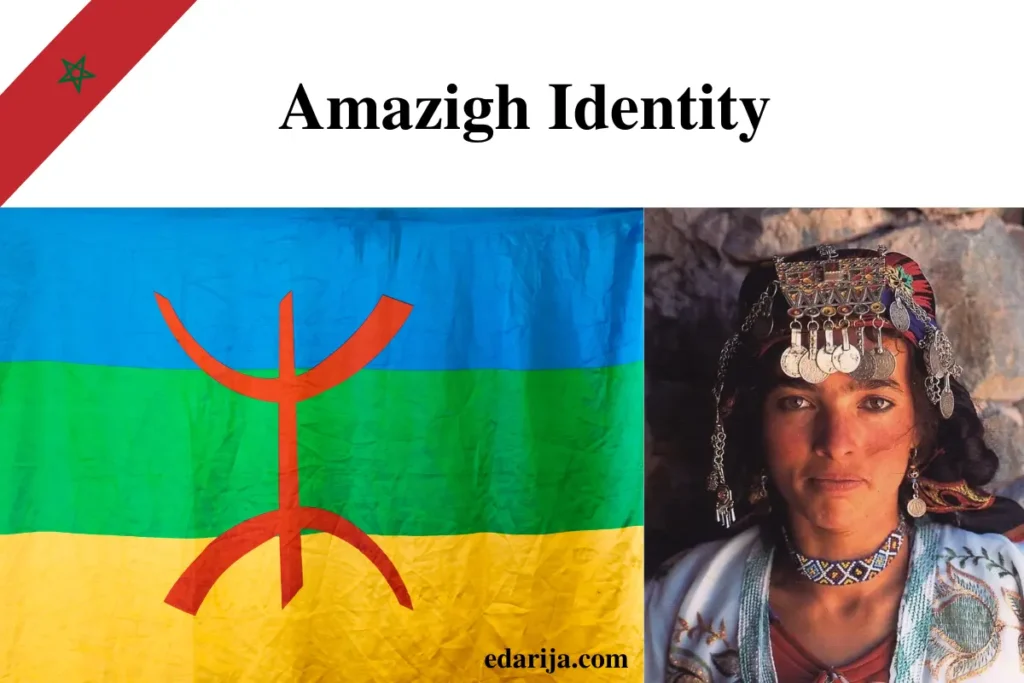
What Is Amazigh
Amazigh is the indigenous language of Morocco. It existed long before Arabic arrived in North Africa. Amazigh culture and identity are deeply rooted in Moroccan history.
Today, Amazigh is recognized as an official Morocco Language.
Main Amazigh Varieties in Morocco
There are several Amazigh varieties spoken in Morocco. The main ones are Tarifit in the north, Tamazight in central regions, and Tachelhit in the south.
Each variety has its own accent and vocabulary, but they share common roots.
Where Amazigh Is Spoken Today
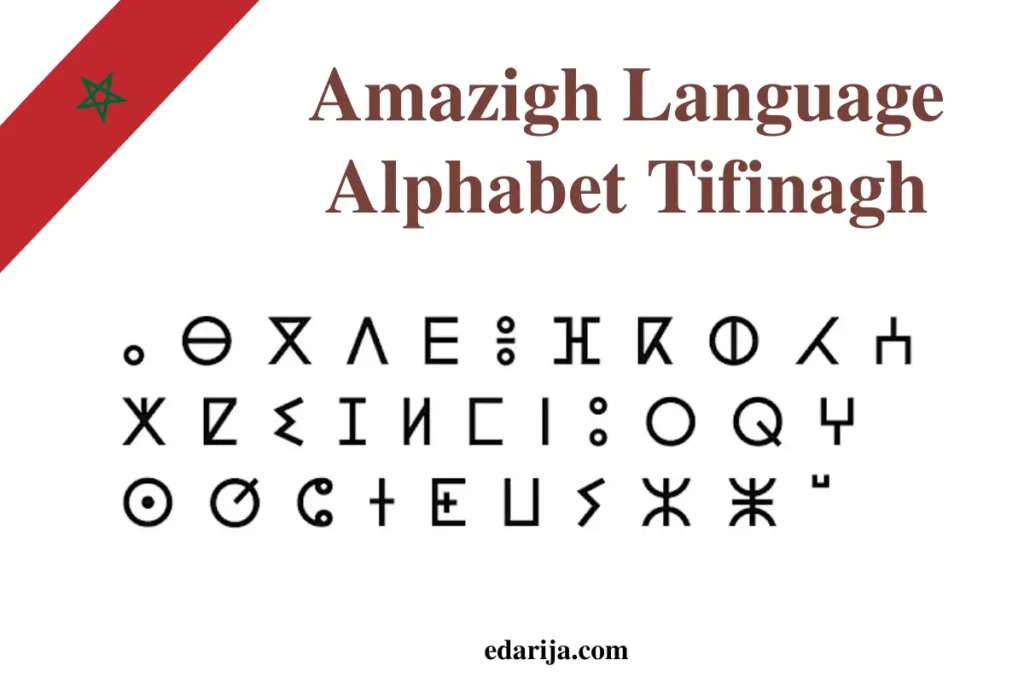
Amazigh is mainly spoken at home and within local communities. It is common in rural areas and some cities. Many Amazigh speakers are bilingual and also speak Darija.
This bilingualism strengthens Darija’s role within the Morocco Language system.
French Language in Morocco
How French Became Part of the Morocco Language
French entered Morocco during the colonial period. After independence, it remained important in administration, education, and business. Over time, it became part of daily communication in certain contexts.
How French Is Used Today
French is widely used in business, higher education, science, and technology. Many Moroccans mix French words with Darija in daily speech.
For example, people may say:
Ghadi nkhdem lyoum, meaning I will work today.
3andi réunion, meaning I have a meeting.
This mixing is natural and common in the Morocco Language environment.
Spanish and English in Morocco
Spanish is spoken in some northern and southern regions due to historical contact. It is not widespread, but it still exists in certain areas.
English is growing quickly in Morocco. Young people learn it online and use it in tourism, technology, and international communication. English is becoming part of the modern evolution of the Morocco Language.
Which Morocco Language Should You Learn First
For visitors, Moroccan Darija is the best language to learn. It helps with basic communication and creates friendly interactions.
For living or working in Morocco, Darija is essential. French can be useful in professional settings, and English helps in international fields. Still, Darija remains the foundation of daily Morocco Language use.
For cultural understanding, Darija is key. It reflects humor, values, and social habits.
Why Darija Is the Heart of the Morocco Language
Darija is more than a way to speak. It carries history, emotion, and identity. It reflects how Moroccans think and live.
When people talk about Morocco Language, Darija should always be central. It is the language of real life in Morocco.